
When homeowners tell us their garage door cable pulley is worn causing slack in Glen Ellyn IL, they usually think swapping the cable will fix it. In most cases, that worn pulley is actually the cause. The slack is the symptom. We’ve seen it dozens of times: pulley grooves get worn or chipped from years of friction. The bearing inside seizes. Misalignment puts uneven pressure on one side. The cable starts slipping, fraying, or losing tension. Replacing just the cable without addressing the pulley means the new cable wears out fast. The door balance gets worse, too. That’s why we check the entire torsion assembly, pulley alignment, and spring condition before we recommend any repair. We find the real upstream issue and stop the cycle of repeat failures.
Why a Worn Cable Pulley Causes Slack in Your Garage Door
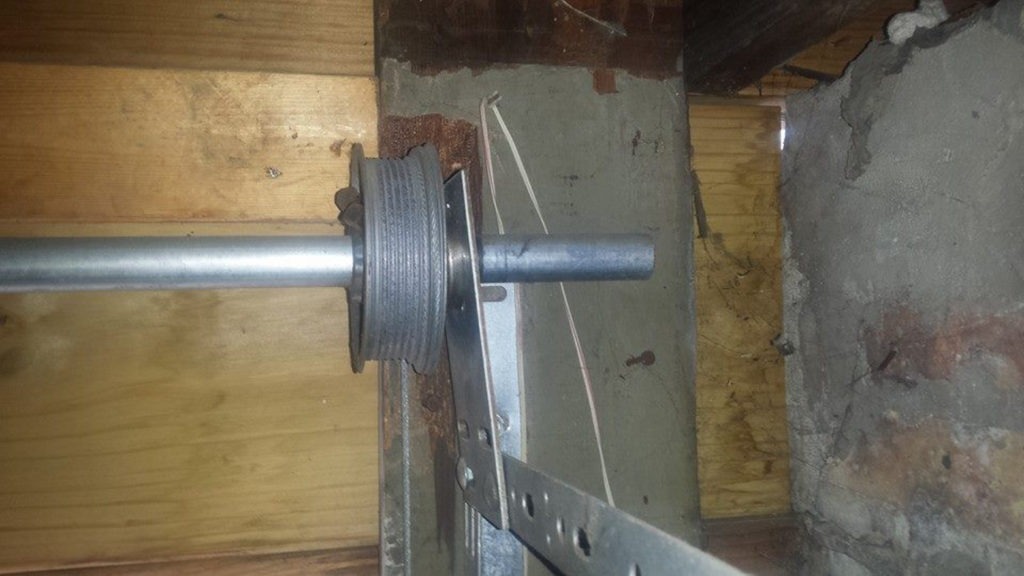
When a garage door cable pulley wears down, the cable can slip out of the groove. It may also lose the tension needed to keep your door balanced and safe. The pulley is the grooved wheel that guides the lift cable through each cycle. Over thousands of cycles the bearing inside can wear out. The groove can become worn smooth or chipped, and the axle can bend. Once the pulley surface loses its shape, the cable no longer rides where it should. Insufficient cable tension allows cables to slip from the pulley groove, while excessive tension accelerates bearing wear. Either condition creates dangerous slack that leaves your door unbalanced.
That slack is more than a cosmetic problem. When your cable goes loose, one side of the door carries more weight than the other. This puts sudden stress on the springs, the opposite cable, and the opener motor. In Glen Ellyn, we respond to calls where homeowners first noticed a gap in the cable near the pulley. Others heard a grinding noise during operation. If you see visible slack in the cable, a door that hangs crooked when it opens, or a pulley that wobbles or doesn’t spin smoothly, the worn pulley is allowing the cable to fail. The door is one cycle away from a complete cable break.
We check the pulley, the cable path, and the spring tension together. Addressing only the cable without fixing the worn pulley means the new cable will slip again within days.
What Actually Wears Out a Garage Door Cable Pulley
A worn garage door cable pulley rarely fails on its own. It fails because something upstream put far more stress on it than it was designed to handle. When we diagnose slack cables in Glen Ellyn homes, the pulley damage is almost always a symptom. The real culprit is usually one of four problems that pushed the pulley beyond its limits.
Bearing failure inside the pulley is the most common upstream cause. The small bearings that let the wheel spin freely can corrode or seize when moisture reaches them. High humidity in an attached garage or missing bearing seals allow this. Once the bearings lock up, the cable drags across a stationary wheel instead of rolling smoothly. This creates heat and friction that grinds the groove in the pulley and stretches the cable. Lack of lubrication accelerates the same cycle. Dry bearings generate friction, the pulley stops turning freely, and the cable begins to fray or slip.
Misalignment is the second major cause. If the lift cable isn’t centered in the pulley groove, the cable rides on the edge of the wheel with every cycle. This often happens because the spring anchor bracket shifted or the drum wasn’t installed square. That constant side load wears one side of the pulley groove into a sharp lip. The cable jumps the track, and you end up with visible slack.
Excessive load is another common cause. A broken or weakened torsion spring on the opposite side forces the working pulley to carry the full weight of the door on every lift. The overloaded pulley wears at two or three times the normal rate. The cable stretches, and the system goes out of balance.
When we respond to a worn pulley, we inspect the bearings and check pulley alignment with the cable path. We measure spring tension on both sides and look for corrosion or impact damage on the bracket. Addressing only the pulley without finding what caused the failure guarantees the new part will fail just as fast.
What Happens When You Replace the Cable Without Fixing the Pulley
When only the garage door cable is replaced while leaving a worn pulley in place, the new cable immediately begins riding against the same damaged surface that destroyed the original. A pulley with a cracked bearing, rough groove, or bent axle creates friction and uneven tension. This wears through cable strands in weeks rather than years. The replacement cable fails just as quickly, sometimes faster, because the underlying cause remains untouched.
We see this pattern often in Glen Ellyn. A homeowner has the cable replaced after noticing slack. Within a month the door is uneven again or the cable has frayed in the same spot. The worn pulley continues to grind against the steel strands. It creates heat and abrasion that no new cable can withstand. In some cases, the weakened pulley bearing finally seizes or the shaft snaps under load. This sends the door crashing down and bending track or damaging panels. That becomes a much more extensive repair than addressing both components at once.
A thorough inspection by a trained technician identifies not only the visible cable damage but also the pulley wear, shaft play, and bracket integrity that caused the slack in the first place. When we respond to a cable issue, we check pulley rotation, bearing condition, and cable alignment on both sides. This confirms every component that contributed to the failure. Replacing both the damaged cable and the worn pulley together restores balanced operation. It prevents the cycle from repeating, protecting your investment and your family’s safety.
When to Call DC Garage Services About Cable Slack
Call us the moment you notice any visible slack in your garage door cables. This is true even if the door still opens and closes. Slack means the pulley has already lost its grip or worn groove. Every cycle now risks a sudden cable jump or complete detachment. If you hear grinding, scraping, or clicking sounds near the top corners, the pulley is likely worn. If one side of the door hangs lower than the other during operation, the system is already compensating for a worn pulley and will fail without warning.
We respond promptly when you reach out. We’ll inspect the entire cable-and-pulley assembly to identify the root cause. Common culprits include bearing wear, shaft misalignment, spring imbalance, or bracket fatigue. Addressing cable slack early protects the door panels, tracks, and opener from secondary damage. That keeps a straightforward pulley replacement from becoming a much larger project. Waiting until the cable derails can leave your vehicle trapped inside or your home exposed overnight.
Reach out to DC Garage Services through our garage door repair service in Glen Ellyn to keep your garage door reliable through every season ahead. We’ll assess the wear, explain what’s needed, and restore smooth, balanced operation before a small problem becomes an expensive failure.
Frequently Asked Questions
What causes a garage door cable pulley worn causing slack in Glen Ellyn IL?
Bearing failure inside the pulley is the most common cause, moisture corrodes the bearing or lack of lubrication seizes it, stopping free rotation and forcing the cable to drag. Misalignment from a shifted spring bracket, excessive load from a broken torsion spring, or impact damage also create slack by pushing the cable outside its intended groove.
Can I just replace the cable if my garage door cable pulley worn causing slack in Glen Ellyn IL?
Replacing only the cable leaves the worn pulley in place, so the new cable rides against the same damaged groove and fails just as quickly. The cracked bearing or rough surface that destroyed the original cable immediately grinds the replacement. We inspect both components to stop the cycle.
How do I know if the pulley is the real problem behind my slack garage door cable?
A worn pulley typically wobbles, won’t spin smoothly, or produces grinding sounds near the top corner during operation. If one side hangs lower or you see frayed cable strands near the pulley, the pulley has likely lost its bearing or groove integrity and needs professional inspection.
How often should garage door pulleys and cables be inspected in Glen Ellyn?
Professional garage door inspections should occur twice yearly, spring and fall, to catch pulley and cable wear early. During an inspection, we check pulley rotation, bearing condition, cable alignment, and spring balance to identify friction, corrosion, or misalignment early. Regular inspections prevent sudden cable failures and protect your door panels, tracks, and opener from secondary damage that follows a derailed cable.